

General Dentistry in Barrie
A dental exam checks for things you cannot easily see in a bathroom mirror. At BL Dentistry in Barrie, Ontario, general dentistry is built around that check: looking closely at your teeth, gums, and bite at regular intervals, so changes show up on a chart instead of as a toothache.
What This Side of Dental Care Covers
General dentistry is the everyday branch of the field. Cosmetic work asks how your teeth look. General care asks whether they are healthy and working properly: enamel that is sound, gums that are firm and do not bleed, a bite that closes evenly. For most patients, this is where their relationship with a clinic begins, with appointments spread through the year rather than booked only after something starts to hurt.
It is also the foundation for everything else the BL Dentistry team in Barrie offers. Whitening, straightening, and other cosmetic treatment all assume the teeth underneath are in good shape.
What an Exam Looks At
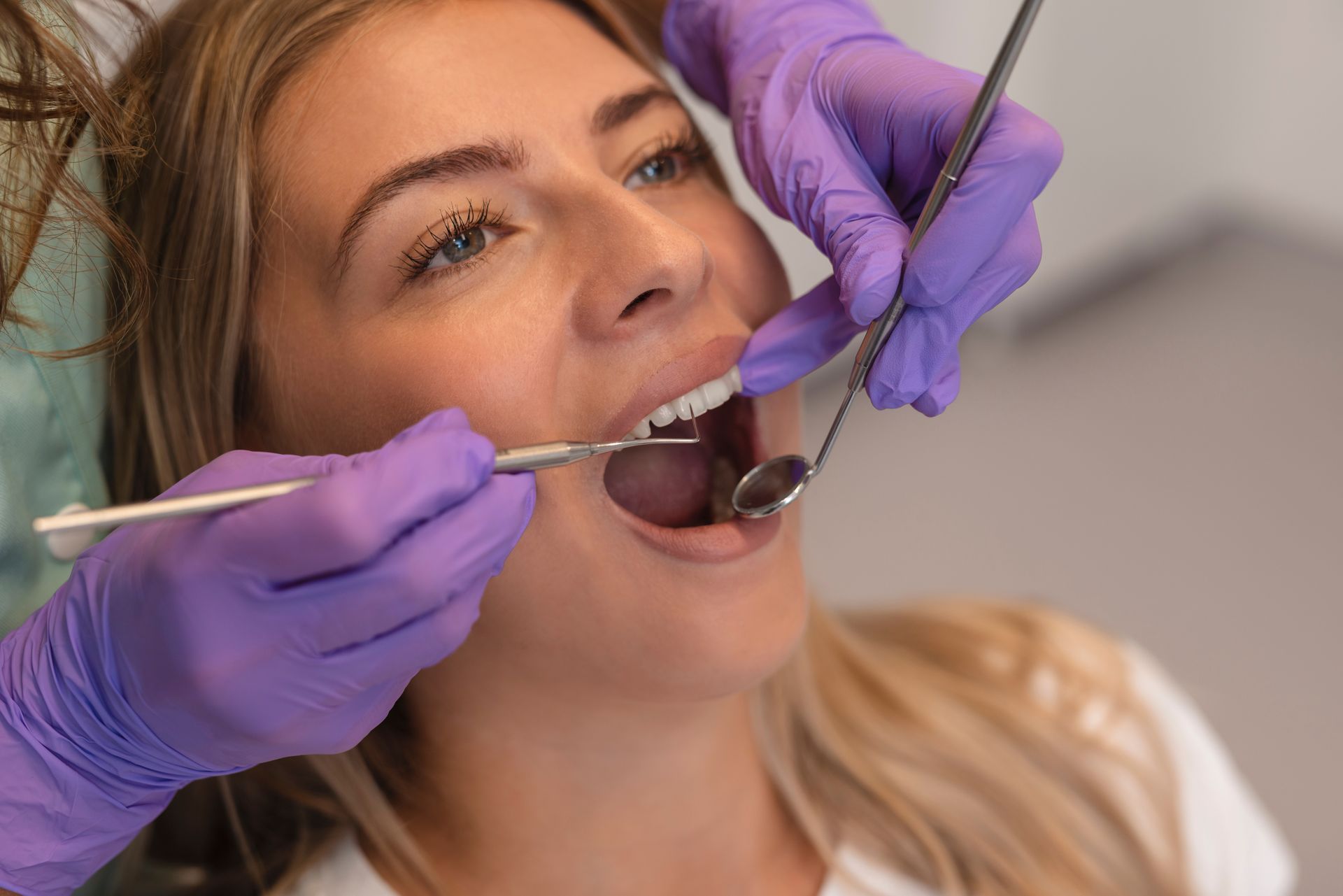
Teeth
Each surface gets checked for soft spots, small cracks, worn edges, and older fillings that may be breaking down at the margins. X-rays add what the eye misses, particularly decay between teeth and anything below the gumline.

Gums
Healthy gum tissue is pink and fits snugly around each tooth. A thin probe measures the small pocket where gum meets tooth, and readings of about 1 to 3 millimetres are typical of healthy gums. Deeper pockets can point to gum disease.
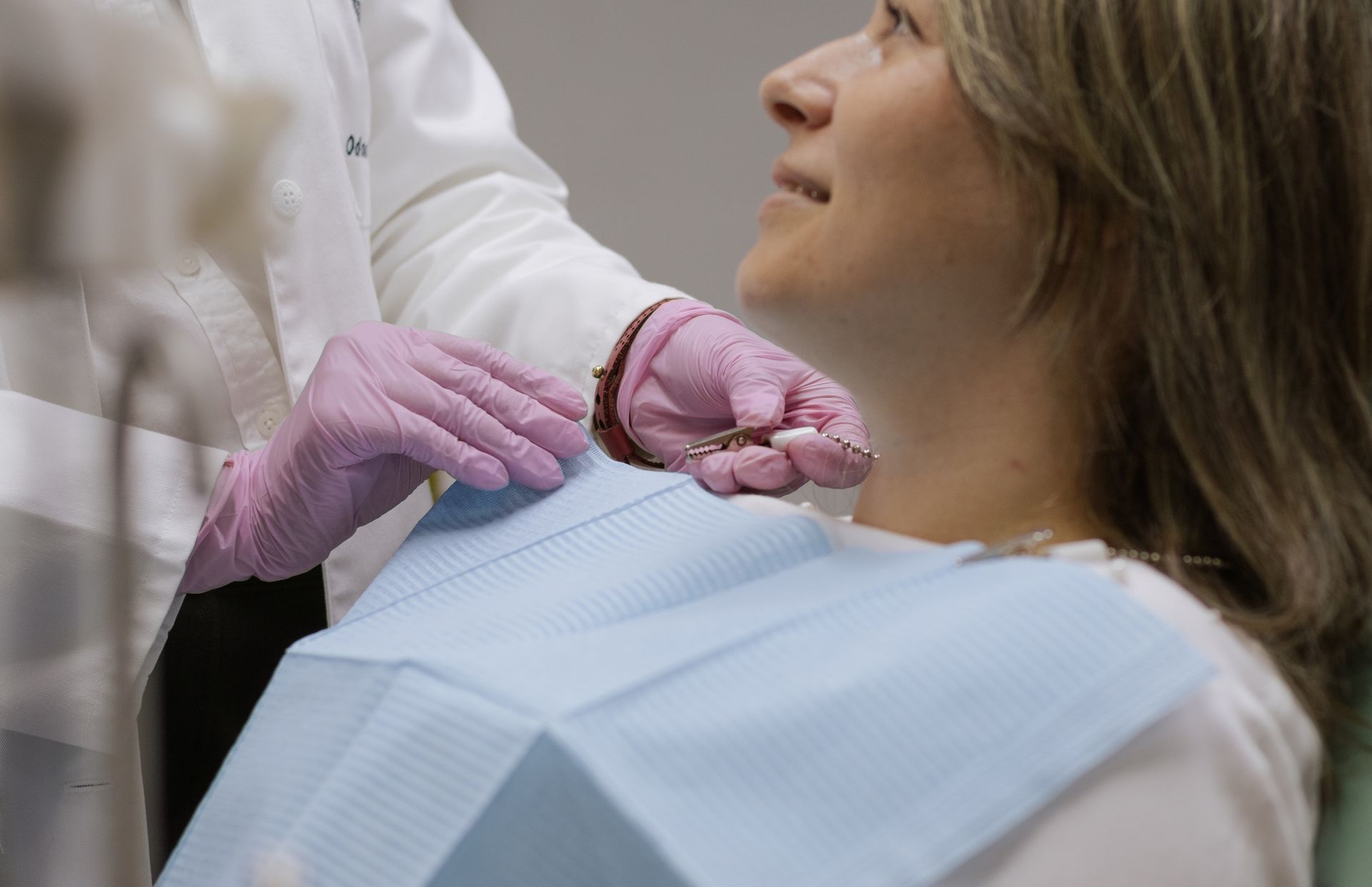
Bite and Jaw
Teeth that have worn flat, chipped along the edges, or developed small fractures can be signs of grinding or clenching, which often happens during sleep. Many people only learn they grind when someone looks at the wear pattern.

Why Catching Problems Early Matters
Decay moves through stages. It begins as a weak, chalky patch in the enamel, and at that point it can sometimes be stopped with fluoride and better home care. Once it breaks through the enamel into the softer dentin beneath, it spreads faster, and the repair gets larger.
Gum disease follows a similar pattern. Gingivitis, the early form, is inflammation of the gum tissue and is reversible. Left alone, it can progress to periodontitis, where the bone supporting the teeth starts to break down. That bone loss does not grow back. The difference between the two often comes down to how soon someone notices.
Exams and Cleanings Work Together
An exam finds problems. A cleaning removes one of their main causes. Tartar is plaque that has hardened in place, and it collects along the gumline, where it irritates the tissue and shelters bacteria. Brushing cannot take it off. A professional teeth cleaning clears it away, and that is why the two visits are so often booked together.
Once your teeth and gums are healthy, the cosmetic side is open to you as well. Our cosmetic dentistry page covers treatments focused on colour, shape, and alignment.

White Fillings
To treat a cavity, we remove the decayed part of the tooth and fill it with a tooth-colored, mercury-free filling that blends in with your natural teeth. The type of filling depends on the size and location of the cavity. Treating a cavity early keeps the repair small.
Tooth Extractions
When a tooth can’t be saved, we remove it gently and talk with you about options to replace it, such as a bridge, a denture or an implant.
Frequently Asked Questions
How often should I have a dental exam?
Many patients come in every six months. People with a history of gum disease or frequent cavities are often seen more often, sometimes every three to four months. The right interval depends on what your exam shows.
Do I need X-rays at every visit?
Not usually. X-rays are used to find decay between teeth and problems below the gumline that cannot be seen directly. Adults at low risk often have bitewing X-rays every one to two years. Someone with active decay may need them more frequently.
My gums bleed when I brush. Should I be worried?
Bleeding gums are the most common sign of gingivitis, the early and reversible stage of gum disease. With a professional cleaning and consistent brushing and flossing, the bleeding often settles within two weeks. If it continues, the gums need a closer look.
Can a cavity heal on its own?
Only at the very beginning. An early white spot on the enamel can remineralize with fluoride. Once a cavity has formed an actual hole, the tooth cannot rebuild that structure, and the damaged area has to be repaired.
What if it has been years since my last visit?
The first appointment is usually a full exam with X-rays, so there is a complete picture of where things stand. If tartar has built up over a long period, the cleaning may take longer than a routine one or be split across more than one visit.