

Invisalign in Barrie
Crooked or gapped teeth are one of the most common reasons adults consider orthodontic treatment, and the idea of metal brackets is one of the most common reasons they put it off. Invisalign offers another route: clear, removable aligners that move teeth into place a little at a time. BL Dentistry provides this treatment for patients in Barrie, Ontario.
How Clear Aligners Move Teeth
Treatment uses a series of custom plastic trays. Each one is shaped slightly differently from the last, so every new set presses your teeth a small distance further toward their planned position. Patients commonly move to the next set every one to two weeks.
The pace is deliberate. As a tooth moves, the bone around its root breaks down on one side and rebuilds on the other. That process takes time, which is why straightening happens over months rather than weeks.
Some movements need extra grip. Small tooth-coloured bumps called attachments can be bonded to certain teeth, giving the trays something to push against for rotations and other harder shifts. They come off when treatment ends.
What Aligners Can Correct
Clear aligners are well suited to the problems most adults want fixed:
- Crowded or overlapping teeth
- Gaps and uneven spacing
- Mild to moderate overbite, underbite, or crossbite
- Teeth that have shifted back after braces years ago
More complex cases, particularly those involving a significant difference in jaw position, may need a different approach. An assessment at the start shows whether aligners are a good fit for your teeth.
Living With Aligners
Wear Time
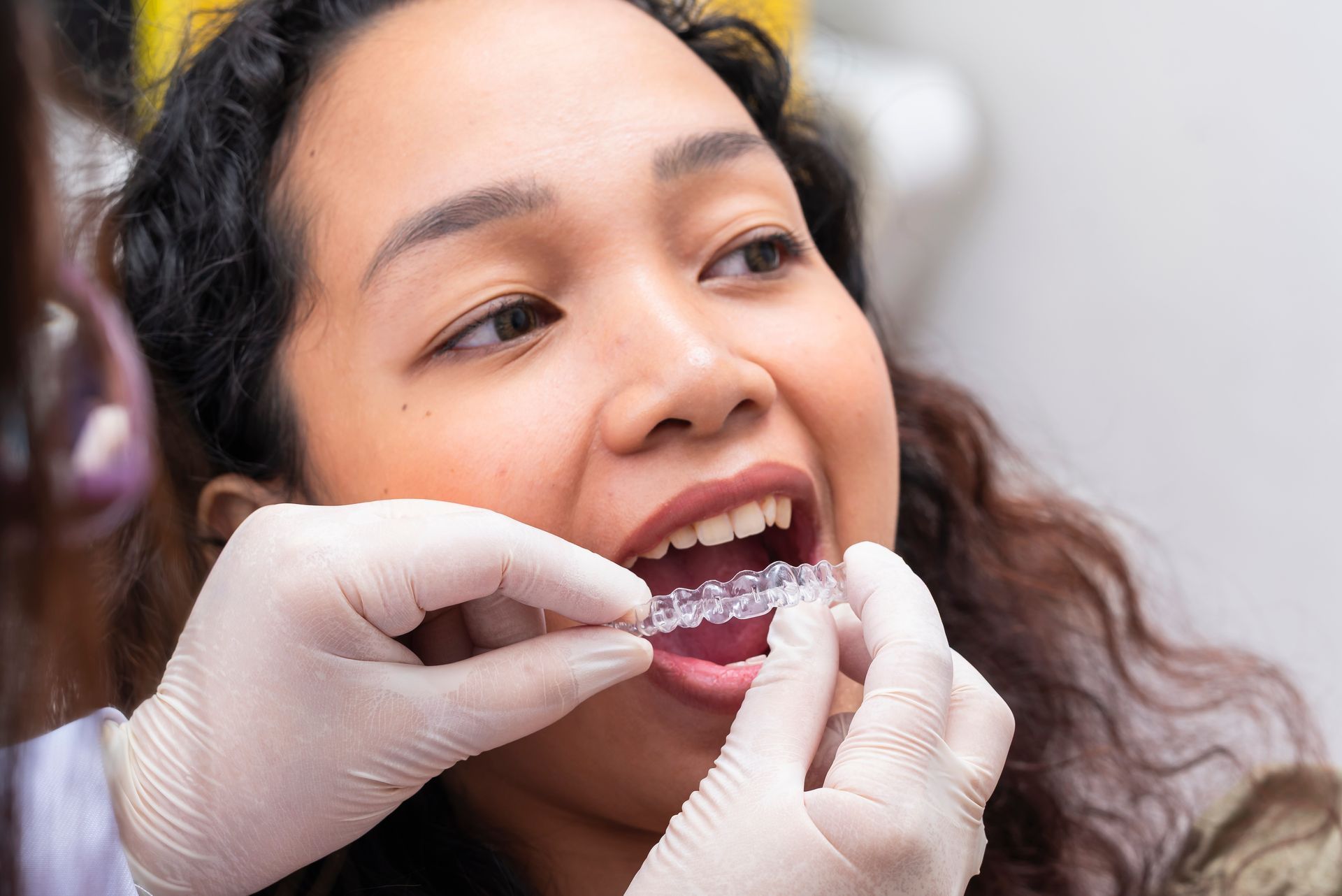
The trays only work while they are in. Treatment plans are built around wearing them 20 to 22 hours a day, taking them out only to eat, to drink anything other than plain water, and to brush.
Eating and Brushing
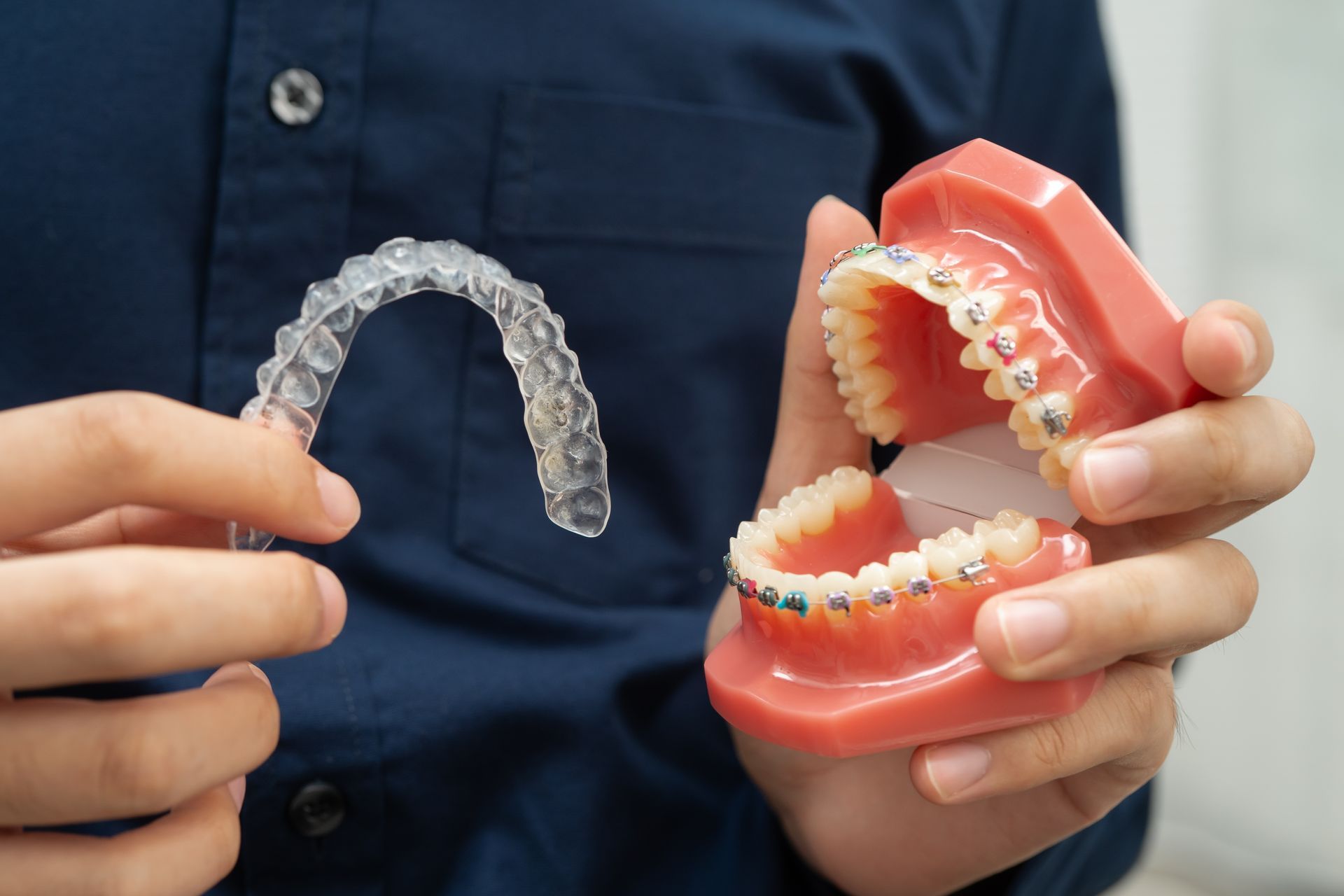
Because the trays come out for meals, there is no list of foods to avoid. The one habit to build is brushing before putting them back in. Food trapped under a tray sits against the teeth for hours.
Caring for the Trays
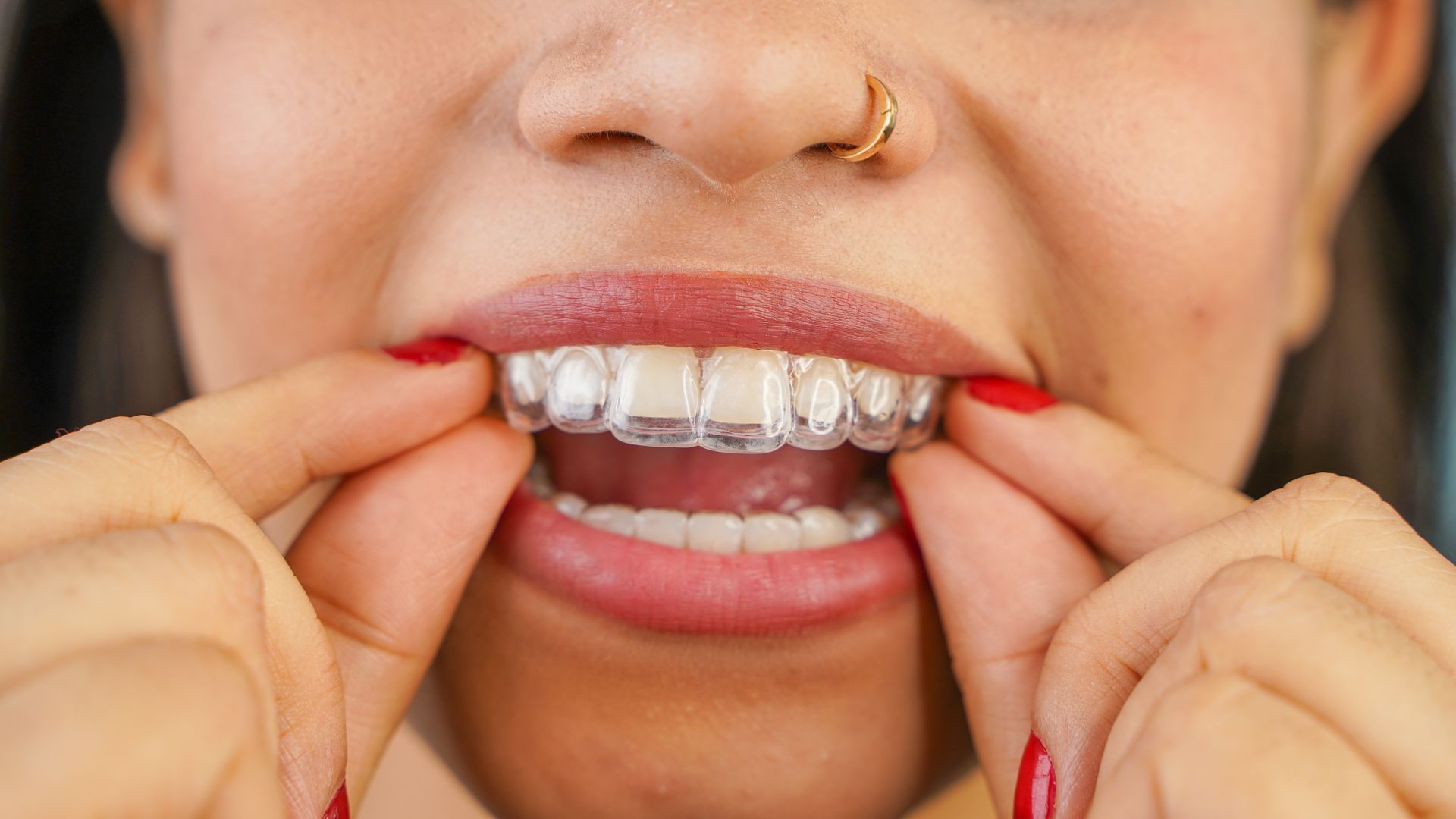
Rinse them each time they come out and brush them gently with cool water. Hot water can warp the plastic and change the fit.
After Treatment Ends
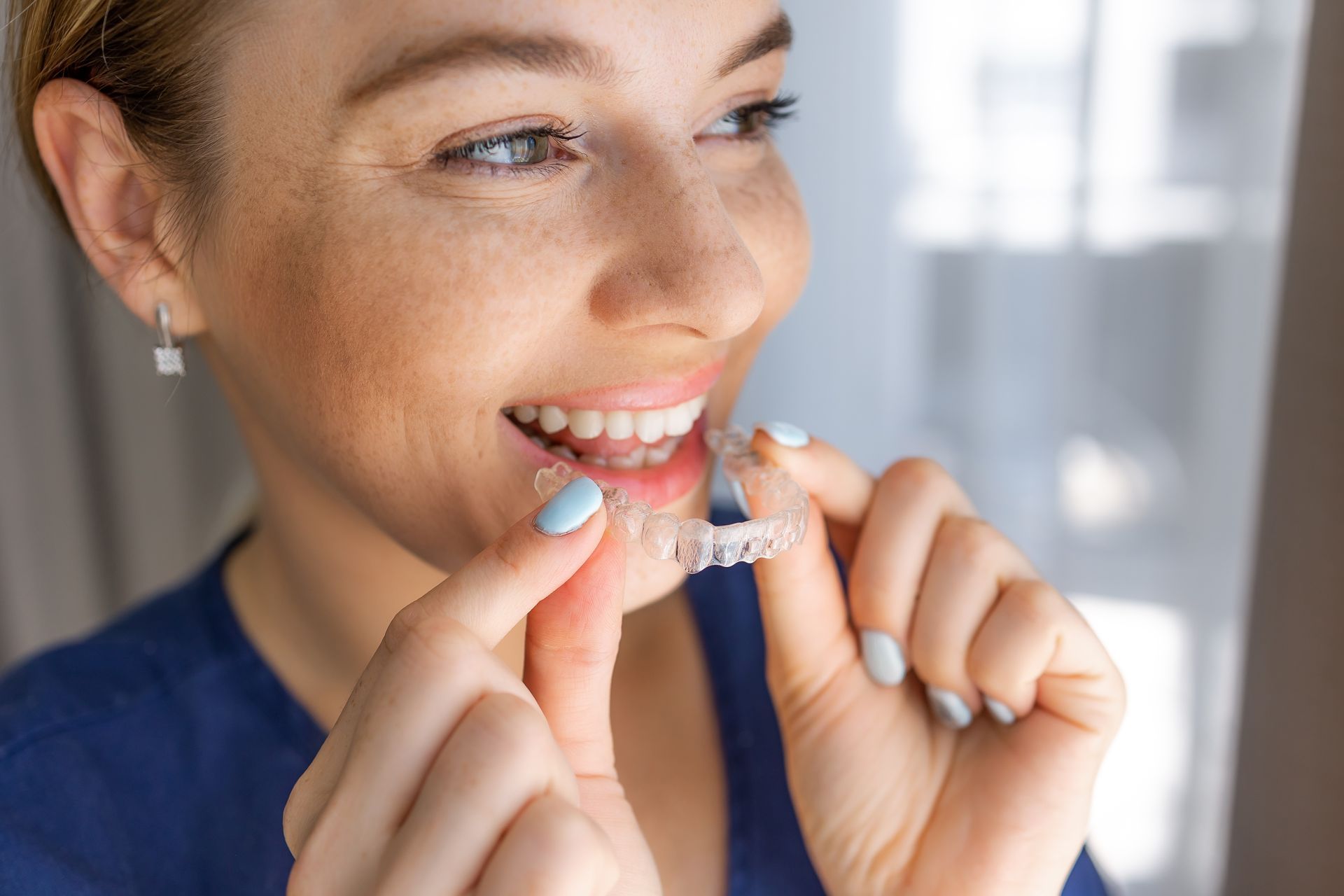
Teeth tend to drift back toward where they started, especially in the first months after they stop being held. A retainer keeps them in their new position. Wearing it as directed is what protects the time you put into treatment.
Planning Around Your Other Dental Care
Aligners work best on a healthy mouth, so a current exam and cleaning come first. If you also want a brighter shade, teeth whitening usually follows once the trays are finished and any attachments are removed, so the colour comes out even. Our cosmetic dentistry page covers how the two fit together, and the BL Dentistry home page shows the full range of care at the clinic.
Frequently Asked Questions
How long does aligner treatment take?
Many cases take 12 to 18 months. Minor spacing or crowding can be corrected in six months or less, while more involved cases run longer. Consistent wear is the biggest factor that keeps treatment on schedule.
Do aligners hurt?
Most people feel pressure or tightness for the first day or two of each new set. That pressure means the trays are moving the teeth. It usually fades as the teeth settle into the new position.
What happens if I don't wear them enough?
The teeth fall behind the plan, and the next set of trays stops fitting properly. That can mean going back to an earlier set or adding extra trays at the end, both of which extend treatment.
Can I drink coffee with my aligners in?
Only plain water should be taken with the trays in. Hot drinks can warp the plastic. Coffee, tea, juice, and soft drinks can seep underneath, where they stain the trays and hold sugar and acid against your teeth.
Will I need a retainer afterward?
Yes. Retainers are commonly worn full time at first and then at night over the longer term. Without one, teeth can begin shifting back within months.